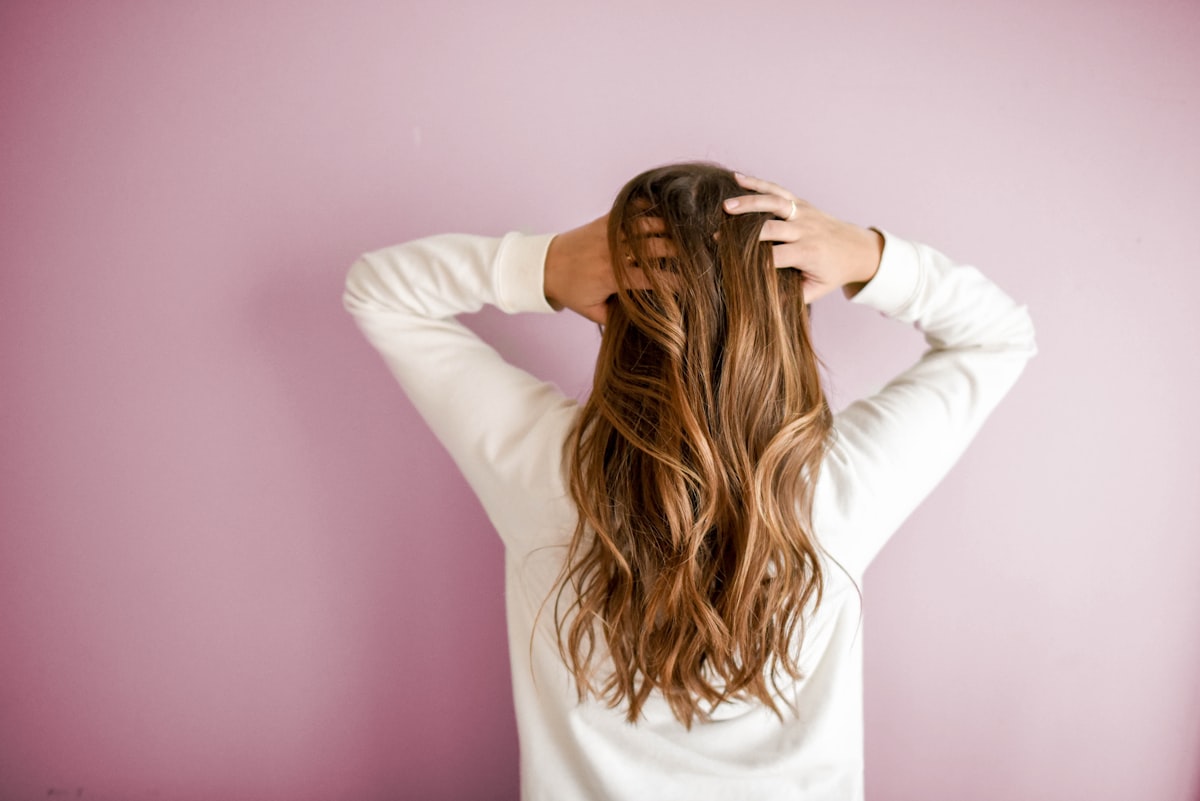
The scalp is, in many ways, the most neglected area in skincare — treated as an afterthought in the few minutes we spend washing and conditioning our hair. Yet the scalp is the foundation of hair health. It is living skin, rich in sebaceous glands, blood vessels, and hair follicles that require as much care and attention as the skin on our face.
Scalp massage has been practiced in Ayurvedic medicine for centuries — and in recent years, the scientific community has begun confirming what practitioners have long known: regular scalp massage can meaningfully support hair growth and thickness. The question is how to do it properly, and which tools actually help.
The Research Behind Scalp Massage and Hair Growth
A landmark 2016 study published in ePlasty found that standardised scalp massage performed for four minutes daily over 24 weeks led to increased hair thickness in participants. The researchers proposed that the mechanical stress created by the massage stretches the dermal papilla cells in the hair follicle, stimulating them to produce thicker, stronger hair shafts.
Subsequent research has added to this picture. A 2019 survey-based study found that participants who performed regular scalp massage reported improvements in hair thickness and density, with some experiencing a reversal of thinning. While survey data has inherent limitations, the consistency of outcomes supports the mechanistic theory.
The Mechanisms at Work
Several biological processes appear to contribute to these results:
- Increased blood circulation. Massage dilates the blood vessels in the scalp, increasing the delivery of oxygen and nutrients to hair follicles — the building blocks they need for healthy growth.
- Mechanical stimulation of follicles. The stretching and compression of follicular tissue may trigger growth factor production, encouraging the follicles to shift into and prolong their active growth phase.
- Reduced cortisol levels. Massage has well-documented stress-reducing effects. Since chronic stress is a significant contributor to hair shedding (telogen effluvium), reducing stress hormones through regular massage may indirectly protect hair health.
- Improved sebum distribution. Massage helps distribute the scalp's natural oils along the hair shaft, improving moisture balance and reducing breakage.
Manual vs Electric Scalp Massagers
Scalp massage can be performed with the fingertips alone — and this is effective. However, dedicated scalp massagers offer advantages in consistency, coverage, and ease of use. When you do not need to think about technique, you are more likely to do it every day.
Manual Scalp Massagers
These are typically handheld tools with multiple flexible silicone or metal tines that move across the scalp. They are lightweight, easy to control, and pleasant to use in the shower during shampooing. Their limitation is that the pressure and coverage depend entirely on how you use them.
Electric Scalp Massagers
Electric devices oscillate or vibrate at a consistent frequency, delivering a reproducible level of stimulation regardless of user technique. Many include multiple attachments for different scalp types. The vibration component may add an additional layer of benefit — some research suggests that low-frequency vibration can independently stimulate hair follicle activity. Electric massagers are also excellent for applying and working scalp serums into the skin.
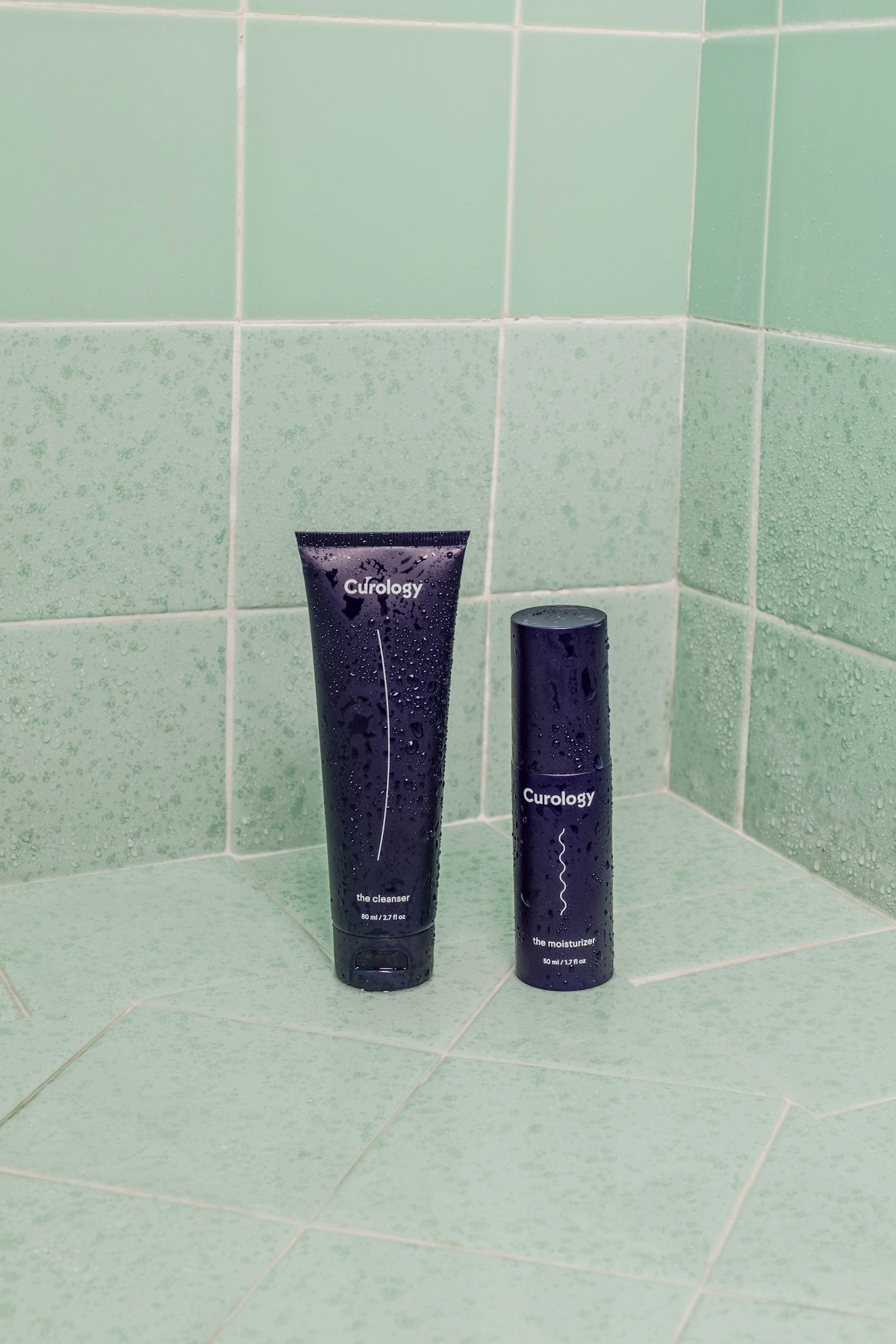
Photo: Unsplash / The tools of a considered hair care ritual
Building a Scalp Care Ritual
The most effective scalp massage practice is a consistent one. Here is how to build it into your routine:
In the Shower (2–3 times per week)
Apply shampoo and use a manual or electric scalp massager to work it into the scalp in small circular motions. This serves a dual purpose: cleansing more effectively by loosening buildup at the follicle level, and providing the mechanical stimulation that supports growth. Spend at least two to three minutes on this step.
On Dry or Damp Hair (Daily or As Needed)
Apply a scalp serum or treatment oil (rosemary oil, in particular, has good clinical backing for its effect on hair growth) and use a massager to work it into the scalp. The four-minute protocol used in the research studies is a useful benchmark. Divide your scalp into sections and work systematically — front hairline back toward crown, temples toward crown, nape upward.
At the End of the Day
A brief dry scalp massage in the evening — even with the fingertips — is an excellent way to decompress, reduce tension headaches, and maintain the circulatory benefits. Many people find this a particularly satisfying ritual at the end of a stressful day.
Pairing Massage with the Right Products
Scalp massage amplifies the efficacy of topical scalp treatments — the stimulated circulation helps active ingredients penetrate more deeply and effectively. Ingredients worth applying before or during massage include:
- Rosemary extract or rosemary oil: A 2015 study found rosemary oil as effective as minoxidil 2% for hair growth after six months, with fewer side effects.
- Caffeine: Shown to stimulate hair follicle activity and extend the growth phase.
- Pumpkin seed oil: Growing evidence suggests it may help inhibit DHT, the hormone associated with androgenetic hair thinning.
- Biotin-enriched scalp serums: Support keratin production in the hair shaft.
Our scalp massage tools are selected for both their efficacy and the pleasure of the ritual. Explore the collection.
Shop The Calm Pulse Scalp MassagerPatience, Consistency, and the Long View
Hair grows slowly — approximately 1–1.5 cm per month. Any intervention to support hair health operates on the same timeline as the hair itself, which means results require months, not days. The research suggests that consistent daily massage for at least six months produces the most reliable outcomes.
This is, of course, exactly the kind of practice that suits a ritual mindset. Not a solution you try once and abandon, but a daily act of care — for your hair, your scalp, and the quiet five minutes it gives you each morning.