We’ve all heard the phrase “self-care,” thrown around so much it’s become almost meaningless. A bath, a face mask, a quiet morning—sure, these are nice. But they’re not a ritual. A ritual is something different: it’s a deliberate practice, rooted in intention, that transforms the mundane into the meaningful. When you understand what a true self-care ritual is, you begin to see why so many people fail at building one. They’re chasing moments instead of building a practice.
The difference between a ritual and a routine is subtle but profound. A routine is something you do because you have to. A ritual is something you do because it matters to you. The same action—say, a ten-minute morning shower—becomes a ritual only when you bring presence and intention to it. You’re not just washing; you’re clearing your mind. You’re not just standing under water; you’re beginning your day with intention.
Why Rituals Matter More Than We Realize
Humans are ritual creatures. Rituals have shaped cultures for millennia. They mark transitions, create belonging, and signal to our brains that something important is happening. When you perform a ritual, your nervous system responds. Your breathing slows. Your focus sharpens. Neurologically, rituals signal safety and predictability—and that has real effects on your mental and physical health.
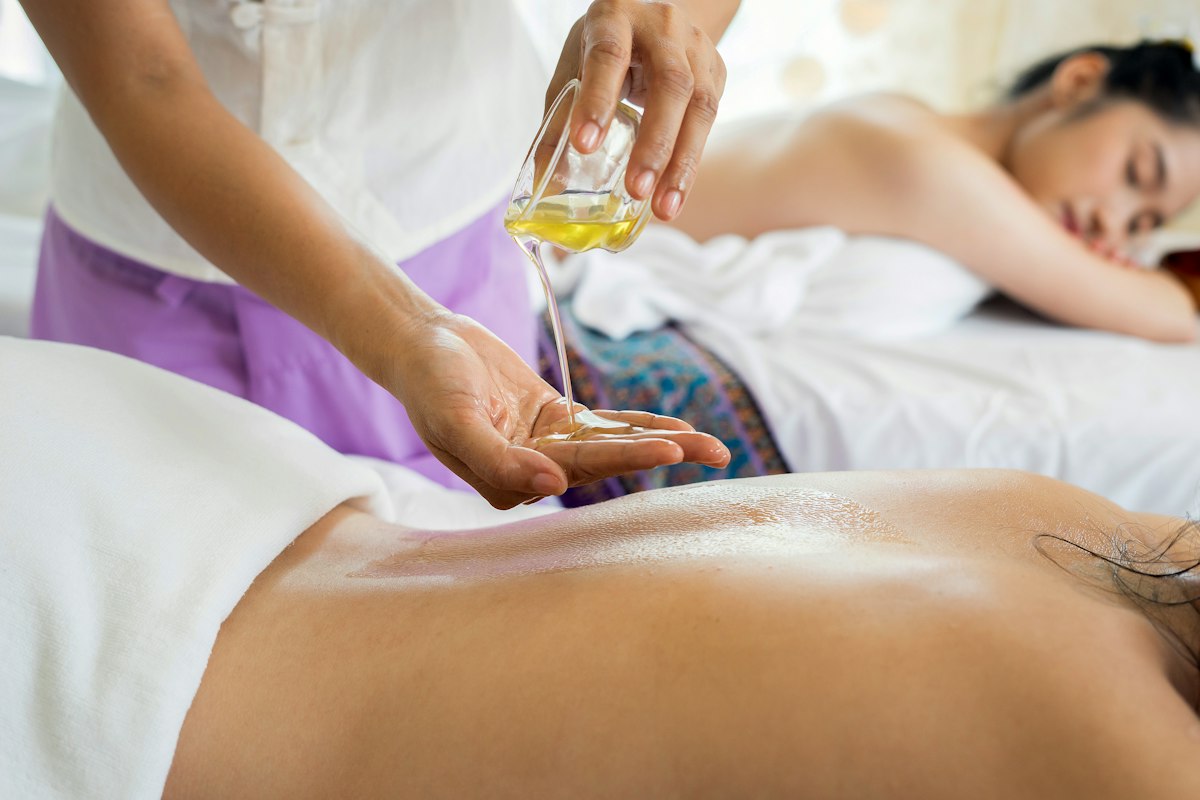
A self-care ritual does something specific: it interrupts the noise of modern life and creates space for you to attend to your own needs. This isn’t selfish. This is foundational. You cannot pour from an empty cup, and more importantly, you cannot build resilience without regular moments of restoration. Research in positive psychology shows that people with established self-care rituals report lower stress, better sleep, and greater emotional regulation.
The Three Elements of a Ritual That Sticks
1. Intention Over Action
The first mistake most people make is focusing on what they do rather than why they’re doing it. You might decide that your ritual is a five-minute face massage every morning. But unless you understand why—maybe you’re calming your nervous system before a busy day, or you’re honoring your skin as part of loving yourself—it will feel like a chore. Intention is what transforms an action into a ritual.
Before you build your ritual, ask yourself: What do I need right now? Are you seeking calm? Energy? Connection to your body? Grounding? Your ritual should address a real need, not just fill time. When you’re clear on your intention, the specific practices follow naturally.
2. Consistency Over Perfection
A five-minute ritual done daily is infinitely more powerful than a two-hour self-care day once a month. Your nervous system doesn’t respond to grand gestures; it responds to reliability. When you show up at the same time, in the same way, your body learns to expect it. Your mind settles into it. It becomes the anchor that holds you steady.
This means your ritual needs to be sustainable. If you design a thirty-minute morning ritual and you have three young children, you’re setting yourself up to fail. Start small. A five-minute ritual that you actually do is worth more than a twenty-minute ritual you abandon after two weeks. You can always expand later.
3. Sensory Presence
A ritual engages your senses because presence is where the magic lives. When you’re in your ritual moment, you’re not thinking about your email or your to-do list. You’re feeling the temperature of water, noticing the scent of something calming, experiencing the texture of a tool against your skin. This sensory engagement is what creates the shift from routine to ritual.
This is why the tools you choose matter. A warm stone in your hand, the gentle vibration of a massage tool, the warm steam from a practice—these sensory elements anchor you in the present moment. They interrupt the thinking mind and bring you back to your body.
Building Your Own Ritual: A Practical Framework
Start by choosing a time and a need. Morning or evening? Calm or energy? Grounding or energizing? Be specific. Next, identify how much time you can realistically commit. Five minutes? Ten? Fifteen? Start here. You can expand, but consistency is your foundation.
Now design the ritual itself. Choose one to three practices that serve your intention. This might be breathwork, a movement practice, a skincare moment, or body work. The Warm Stone Gua Sha is beautiful for a grounding morning ritual—the warmth and gentle pressure naturally slow you down. The Calm Pulse Scalp Massager is perfect if your ritual is about releasing tension from the day. The key is choosing tools and practices that engage your senses while serving your stated intention.
Create a physical space, even if it’s just a corner of your bathroom. Gather your tools. Set a time. Then commit to seven days without expectation. You’re not trying to change your life in a week. You’re simply noticing what it feels like to show up for yourself.
Making It Last: The Long Game
After seven days, you’ll have a sense of whether this ritual works for you. Does it feel nourishing? Or does it feel forced? Adjust if needed. Maybe you need a different time, or a different practice. The goal is to find something that feels essential—something you actually want to do, not something you feel you should do.
Share your ritual intentionally. You don’t need to post about it on social media, but telling someone you trust about your practice can deepen your commitment. There’s something powerful about saying aloud: “I’m building a ritual of calm. I’m showing up for myself in this way.” It becomes real in a different way.
Remember that rituals evolve. Your needs change with seasons, with stress levels, with life circumstances. A ritual that nourished you in winter might feel heavy in summer. Your nighttime ritual might shift as your sleep deepens. Approach your practice with curiosity, not rigidity. The ritual is meant to serve you, not the other way around.
A self-care ritual is one of the most radical things you can do for your nervous system and your sense of self-worth. It says: I matter. My restoration matters. My presence with myself matters. Start small, stay consistent, and notice how this simple practice begins to shift everything else.
The ritual that started many. The Glow Ritual Mask is a ten-minute practice that teaches you what consistency feels like — and what it does to skin over time.
Shop The Glow Ritual MaskExplore our beauty rituals collection to find tools that support your practice, or browse wellness rituals for everything from massage to mindfulness.