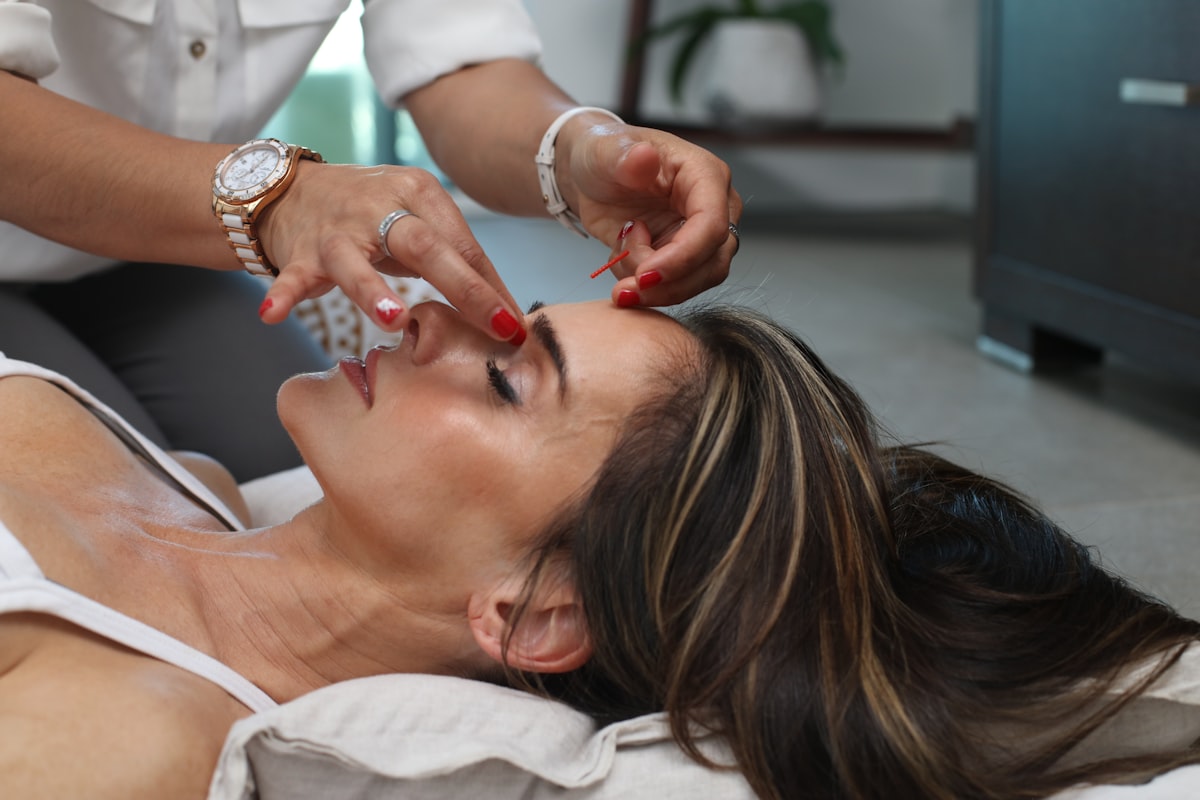
Of all the skincare treatments that have migrated from professional settings into home bathrooms, dermaplaning is perhaps the one that produces the most immediately striking results. The skin looks visibly smoother, brighter, and more refined from the very first session. Makeup applies differently — closer to skin, more even, more luminous. Products absorb more readily. The face appears more contoured, more awake.
And yet it remains one of the most misunderstood treatments available — wrapped in myths, questioned more than it should be, and underused. This guide will set the record straight and give you everything you need to begin.
What Is Dermaplaning?
Dermaplaning is a form of physical exfoliation that uses a surgical-grade blade held at a 45-degree angle to remove the outermost layer of dead skin cells and vellus hair (the fine, soft hair — often called "peach fuzz" — that covers the face). Unlike chemical exfoliation, which dissolves the bonds between skin cells, dermaplaning physically lifts and removes them.
The treatment originated in clinical settings — typically performed by aestheticians or dermatologists as a preparatory step before chemical peels or laser treatments. At-home tools designed for consumer use are calibrated with safety features that make the treatment accessible without the clinical setting.
The Benefits of Dermaplaning
The effects of dermaplaning work on several levels simultaneously:
- Immediate brightening — the removal of accumulated dead skin cells reveals the fresher cells beneath, producing an instant luminosity that no serum can replicate
- Improved texture — rough, flaky, or uneven surface texture is physically removed, leaving skin perceptibly smooth to the touch
- Enhanced product absorption — without the barrier of dead cells and fine hair, serums and moisturisers penetrate more effectively, amplifying their results
- Better makeup application — foundation and powder sit on the skin rather than accumulating on fine hair, creating a smoother, more professional finish
- Stimulated cell turnover — the mechanical action signals the skin to accelerate regeneration, supporting a longer-term improvement in skin quality
Debunking the Myths
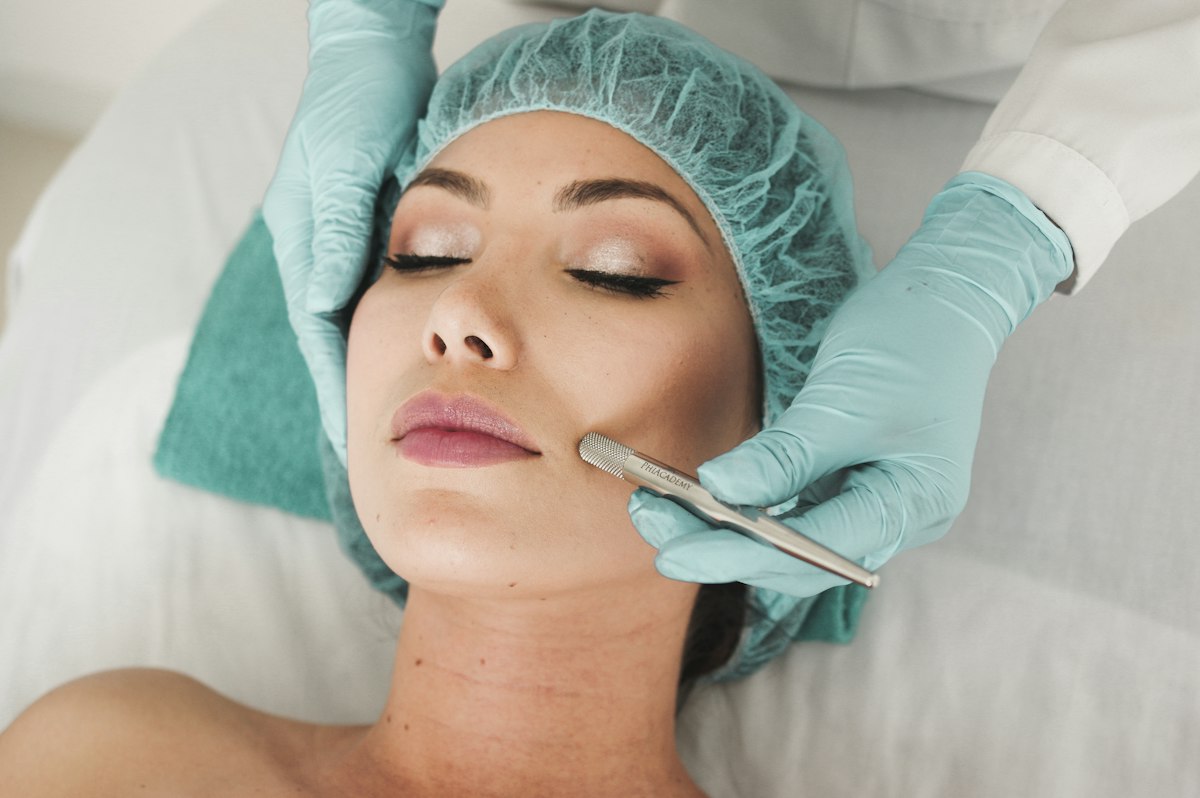
How to Dermaplane at Home: Step by Step
What You Need
A quality at-home dermaplaning tool. Consumer-grade dermaplaning devices differ from clinical blades in angle and pressure — they are designed to be effective while minimising the risk of cuts. Choose a tool specifically designed for facial dermaplaning; standard razors are not appropriate.
The Method
- Cleanse thoroughly. Begin with perfectly clean, dry skin. No oils, no makeup, no residue. Dry skin is essential — wet skin is too soft and increases the risk of irritation.
- Hold the skin taut. With your non-dominant hand, gently stretch the skin in the area you are treating. This creates the smooth, taut surface that allows the blade to glide safely.
- Angle the blade at 45 degrees. Hold the dermaplaning tool at a consistent 45-degree angle to the skin. This is the optimal angle for effective exfoliation without cutting the skin surface.
- Use short, light, upward strokes. Work against the direction of hair growth, using feather-light pressure. Short strokes give you more control. Do not apply pressure — let the blade do the work.
- Work in sections. Treat one area at a time: forehead, cheeks, chin, upper lip. Avoid the immediate under-eye area and any areas with active acne, wounds, or broken capillaries.
- Follow with skincare immediately. Freshly dermaplaned skin is perfectly primed for your serum and moisturiser. Avoid active exfoliants (AHAs, BHAs, retinol) for 24 hours after treatment — the skin is temporarily more sensitive.
- Always apply SPF. Dermaplaned skin has had its surface exfoliated and is more sensitive to UV exposure. Diligent sun protection for several days following treatment is essential.
Frequency
At home, once every two to four weeks is the right cadence. Over-dermaplaning can compromise the skin's barrier. The skin needs time to complete its natural regeneration cycle between treatments — approximately 28–30 days for most adults, slightly longer with age.
Our dermaplaning tools are selected for precision, safety, and the quality of their exfoliation. Explore the range.
Shop The Clear Skin Ritual ScrubberThe Morning After
The morning after dermaplaning is, for many people, one of their most satisfying skincare moments. The skin feels exceptionally smooth, looks noticeably more radiant, and responds to skincare with a perceptibly increased responsiveness. It is the kind of result that makes you want to return to it regularly — not because it is complicated or costly, but because it works.