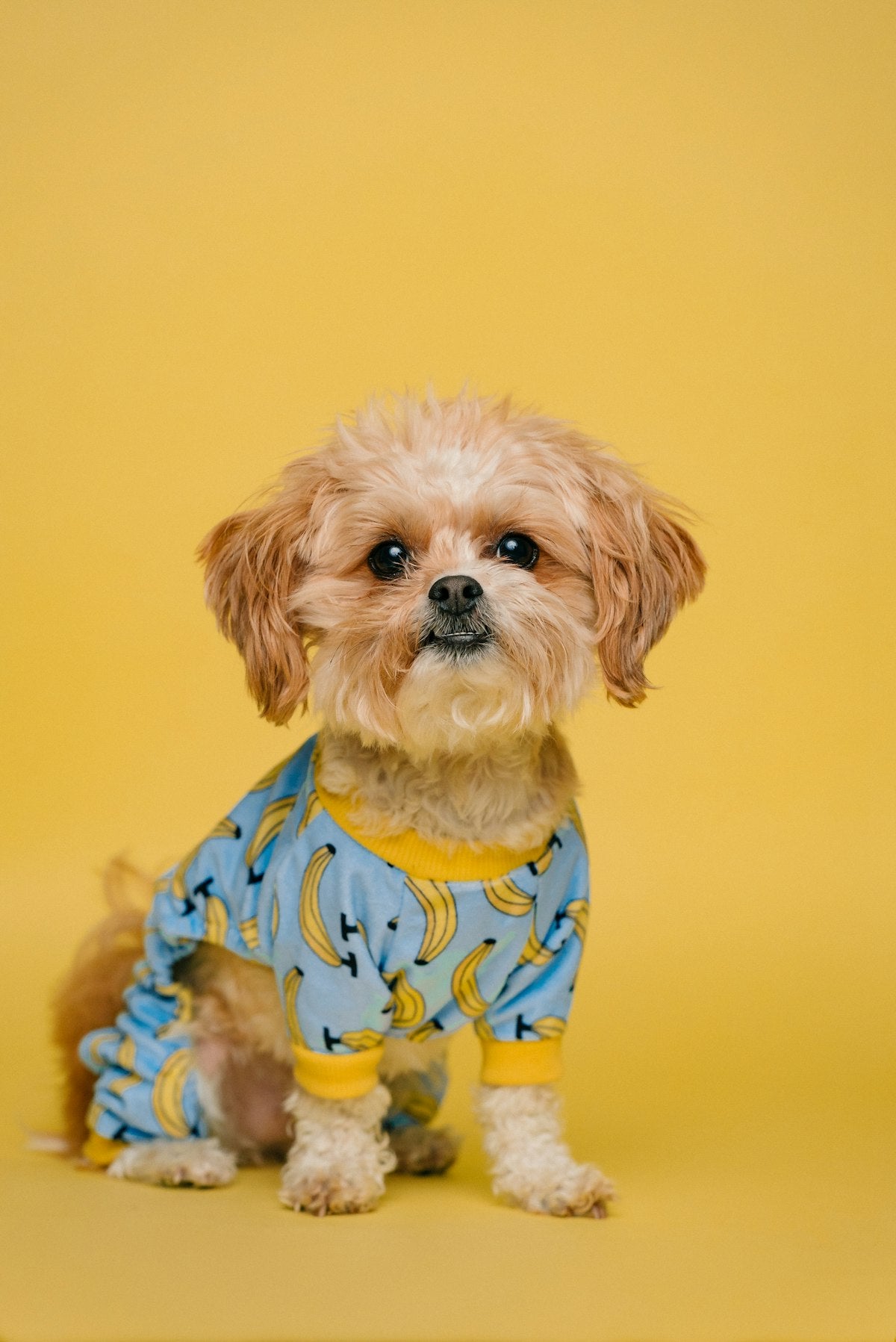
The wrong grooming tool for a pet's coat type does not just fail to groom effectively — it can cause discomfort, damage the coat, and make the grooming session an experience the animal learns to dread. The right tool, on the other hand, turns what might otherwise be a battle into one of the most mutually pleasurable rituals in the human-animal relationship.
Understanding the differences between coat types — and matching tools accordingly — is the single most important upgrade you can make to your pet grooming practice.
The Core Tools: What Each Does
Before recommending by coat type, a brief overview of the main grooming tool categories:
- Slicker brush: Fine, tightly-packed wire pins. Removes tangles, loose hair, and debris. Suitable for medium to long coats.
- Bristle brush: Natural or synthetic bristles. Distributes natural oils, smooths the coat, and polishes. Excellent for short coats and as a finishing tool.
- Undercoat rake / de-shedding tool: Reaches through the outer coat to remove the dense undercoat. Essential for double-coated breeds.
- Dematting comb: Wide-toothed, often with bladed teeth, to safely work through mats without pulling. For long-coated breeds prone to matting.
- Rubber grooming mitt: Gentle rubber nubs that stimulate the skin and remove loose hair. Excellent for short-coated dogs and cats, and for animals sensitive to brushing.
- Silicone massager: Gentle, calming. Used for relaxation and bonding rather than coat maintenance. Suitable for all coat types.
By Coat Type: The Right Tools
Short-Coated Dogs (Beagles, Boxers, Dalmatians)
Short coats require less maintenance than long ones but still benefit from regular grooming. Primary tools:
- Rubber grooming mitt or glove — gentle enough for weekly use, loved by most short-coated dogs
- Bristle brush — distributes sebum and smooths the coat to a shine
- Grooming wipe — for quick between-bath maintenance
Frequency: 1–2 times per week. Shedding tools are useful during seasonal shedding periods.
Double-Coated Dogs (Golden Retrievers, Huskies, German Shepherds)
The most maintenance-intensive coat type. Double-coated breeds produce significant volumes of shed undercoat that must be regularly removed to prevent matting and overheating.
- Undercoat rake or de-shedding tool — primary tool; use 2–3 times per week during shedding season
- Slicker brush — for detangling and finishing the outer coat
- Grooming blower (optional) — loosens the undercoat before brushing
Frequency: 2–3 times per week minimum; daily during heavy shedding seasons. Never shave a double coat.
Long-Coated Dogs (Maltese, Shih Tzu, Cavalier King Charles)
Long coats mat easily and require daily maintenance to prevent painful knots from forming close to the skin.
- Slicker brush — daily brushing, section by section, from tip to root
- Dematting comb or wide-tooth comb — work through any tangles gently before brushing
- Pin brush — for finishing and fluffing the coat
Frequency: Daily. Professional grooming every 6–8 weeks recommended.
Short to Medium-Coated Cats
Most short-coated cats groom themselves effectively, but regular brushing reduces hairball formation and improves coat condition.
- Fine-toothed metal comb — removes loose hair and checks for parasites
- Soft rubber grooming glove — provides a massage-like experience; most cats tolerate or enjoy this
Frequency: 1–2 times per week. More during seasonal shedding.
Long-Coated Cats (Maine Coons, Persians, Ragdolls)
- Stainless steel wide-tooth comb — primary tool; works through the dense undercoat
- Slicker brush — for detangling and finishing
- Dematting tool — for any knots that develop behind ears or under the arms
Frequency: Daily or every other day. Matting in long-coated cats is painful and can escalate quickly without regular attention.
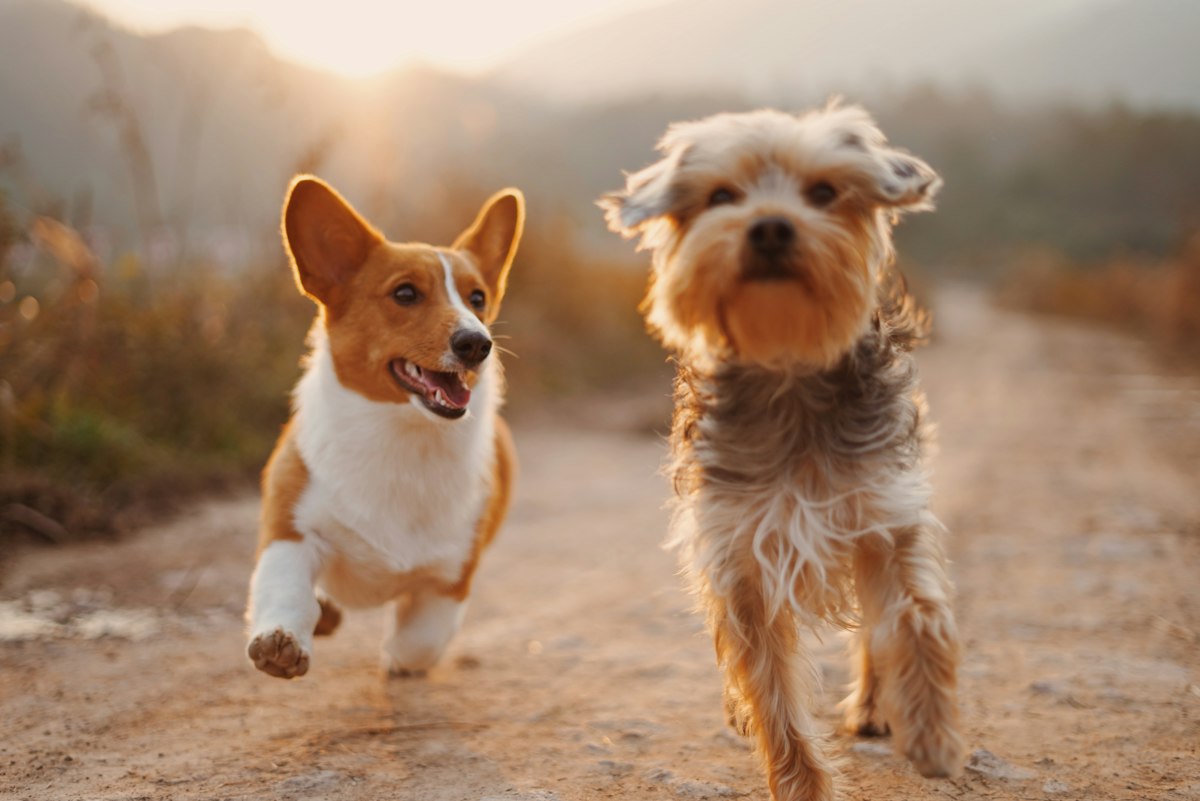
Photo: Unsplash / The relationship built through daily care
Building the Grooming Ritual
The best grooming session is one in which the animal is relaxed throughout. A few principles that make the difference:
- Begin at a young age. Animals introduced to grooming as puppies or kittens are dramatically easier to groom as adults.
- Associate the session with good things. Begin every grooming session with a treat or calm affection. End the same way.
- Work with the coat, not against it. Always brush in the direction of coat growth — brushing against the grain pulls the skin and causes discomfort.
- Keep sessions short and positive. Ten minutes of willing grooming is worth more than thirty minutes of struggle. If the animal becomes stressed, stop and try again later.
- Health check as you groom. Each session is an opportunity to check for lumps, skin irritation, parasites, or changes in the coat quality. Early detection saves considerable veterinary expense.
Our pet grooming collection is chosen for the quality of the tool and the quality of the experience — for the animal and for you.
Shop The Gentle Steam Pet Brush