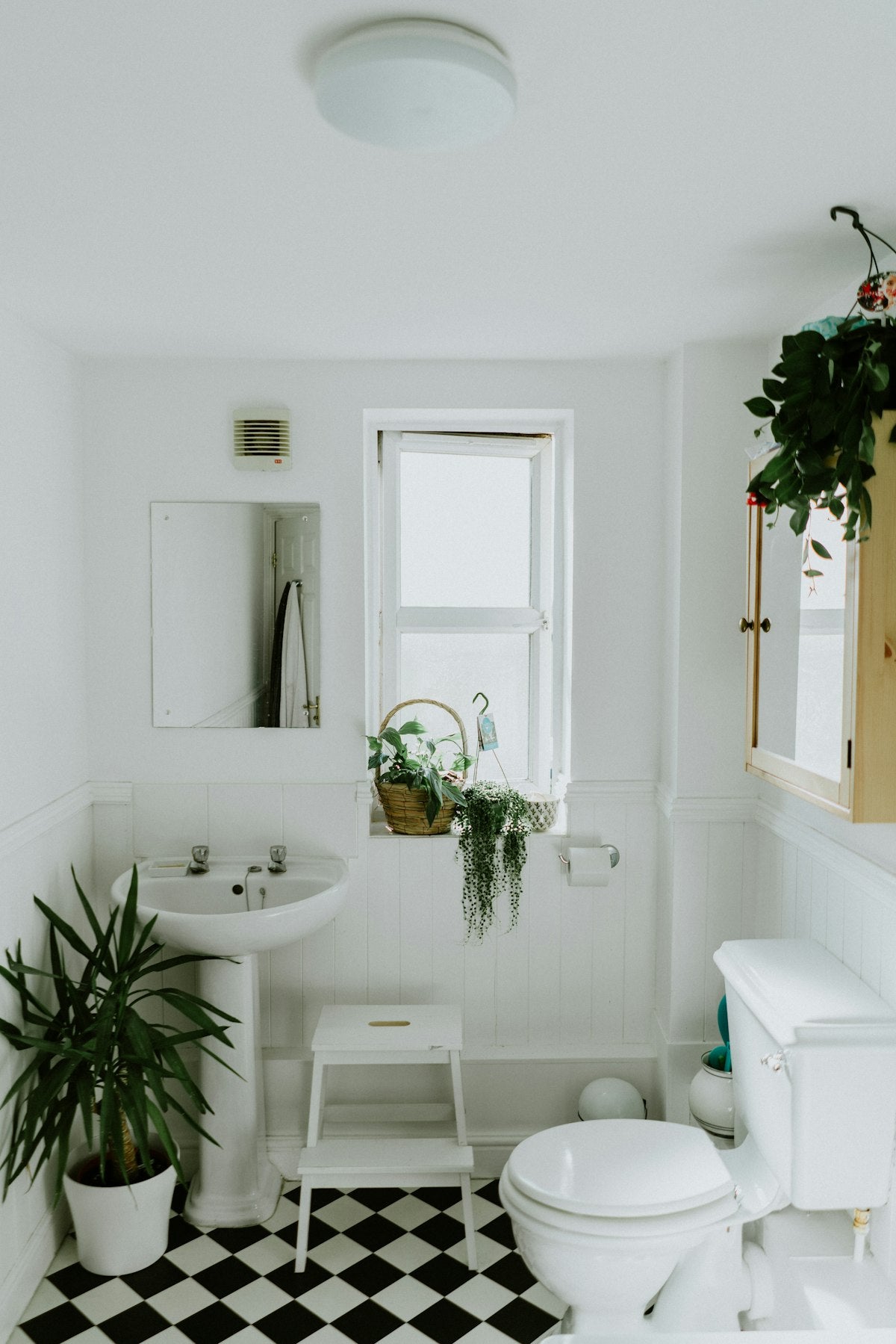
There is a reason why certain spaces make certain things easier. A library makes reading feel more natural than a kitchen. A gym makes exercise feel more expected than a bedroom. We perform differently in different environments — not because we are creatures of mere habit, but because the environment carries meaning that shapes our behaviour before we have made a single conscious decision.
This is the principle behind creating a dedicated space for self-care rituals. The environment in which you care for yourself communicates, consistently and subconsciously, what that care is worth. A beautiful, considered space says: this is important. This is real. This deserves your full attention.
The Psychology of Environment on Behaviour
Environmental psychology has extensively documented the way physical spaces influence mood, attention, and behaviour. Studies show that people are calmer, more creative, and more present in spaces that contain natural elements, clear organisation, and pleasant sensory input (scent, texture, light quality). Conversely, cluttered, disorganised, or aesthetically neglectful spaces increase cortisol and reduce the quality of attention available for whatever is happening within them.
For self-care rituals, the implication is straightforward: the space in which you perform your ritual matters. Not because you need a designer bathroom or a dedicated wellness room, but because small, deliberate choices about the environment create the conditions under which the ritual can be fully inhabited.
The Elements of a Ritual Space
Order and Clarity
A cluttered counter communicates urgency and disorder — the opposite of the quality of attention that a ritual requires. This does not mean minimalism for its own sake; it means that the objects present in your ritual space should all be there for a reason, and arranged in a way that feels intentional rather than accumulated.
Practically: keep only the products and tools you are actively using on your counter or shelf. Store the rest. Replace generic packaging with decanted containers if you find them more pleasant. The visual quality of what surrounds you during a ritual shapes the experience of that ritual.
Light
Lighting is the most underinvested dimension of home wellness spaces. Overhead fluorescent light creates an entirely different physiological and emotional state than warm, angled light. In the bathroom, a mirror light at face level — the kind that illuminates the face rather than casting shadow — is both more accurate for skincare application and significantly more pleasant to work in. Adding a warm lamp or candle to the bathroom shelf for evening routines transforms the quality of the experience.
Scent
Scent is the most direct sensory pathway to the limbic system — the brain's emotional processing centre. A consistent scent in a ritual space becomes deeply associative over time: the smell alone triggers the emotional and neurological state associated with the ritual. This is why incense in a meditation space, or a specific candle lit only for bath rituals, becomes itself a ritual cue. Choose a scent that is calming and that you genuinely love; apply it consistently in the same space for the same practices.
The Quality of Objects
Objects that feel good to touch and look at produce a qualitatively different experience than objects that feel functional and forgettable. A jade roller with a satisfying weight. A glass dropper bottle for your serum. A wooden tray that holds your tools in careful arrangement. These are not extravagances — they are the difference between a ritual and a chore. The sensory quality of the objects communicates continuously that what is happening here is worth care.
The Phone — and Its Absence
The presence of a phone in a ritual space is the single most reliable way to undermine the quality of the ritual. Establish a firm boundary: your ritual space is a phone-free zone. The phone stays outside the bathroom. It stays on the bedside table while you complete your evening routine. This one change — consistently applied — produces a measurably different quality of experience.
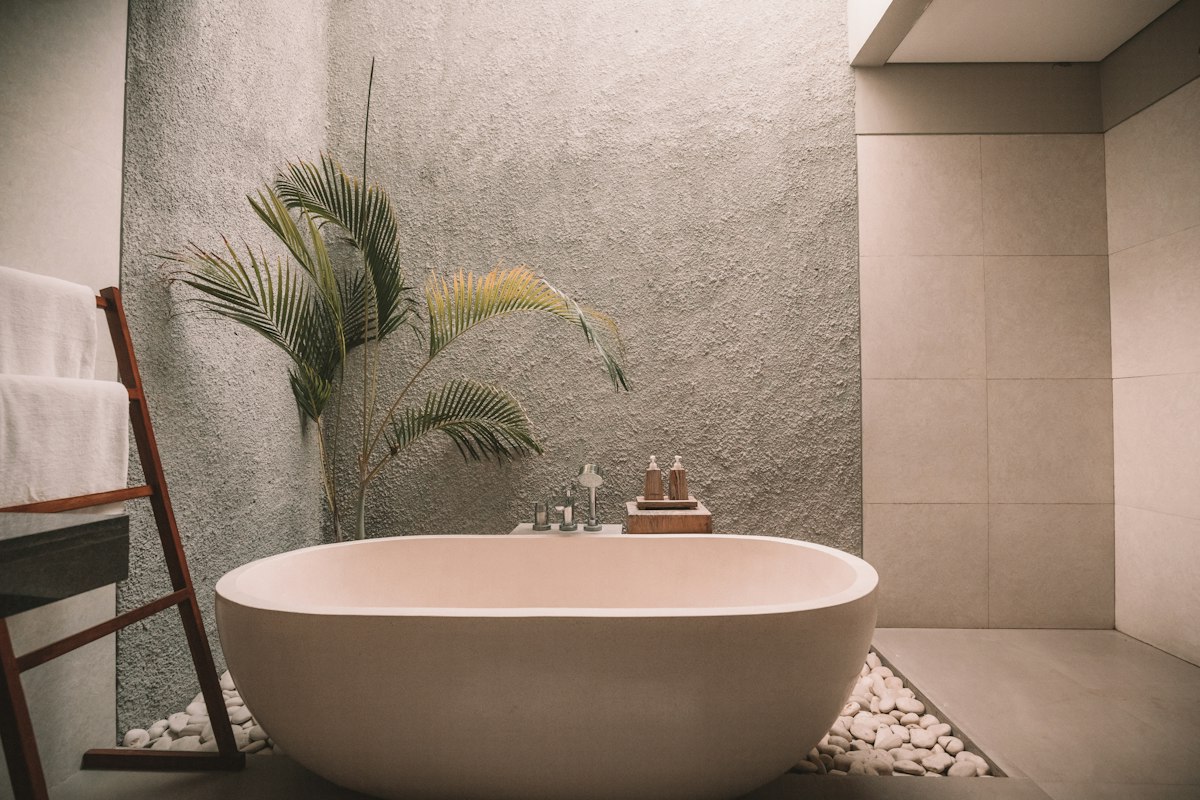
Photo: Unsplash / The environment that supports the ritual
Small Changes, Large Impact
Transforming a ritual space does not require a renovation. It requires intention. Some of the most impactful changes are small:
- Buy one beautiful candle and light it only for your evening skincare ritual
- Add a small tray to organise your three most-used products
- Replace a single harsh overhead bulb with a warm-spectrum alternative
- Place a small plant or fresh flowers near your ritual space
- Put your most-loved tool where you will see it when you enter the bathroom
- Clear everything from the counter that you do not use in the ritual
Each of these changes, alone, is minor. Together, they shift the quality of the space — and with it, the quality of every ritual performed within it.
Beautiful tools deserve a beautiful space. Explore our full collection and bring intention to your ritual environment.
Shop The Collection