
Cleansing is the foundation of every skincare routine. Done well, it removes the day's accumulation — sunscreen, pollution, makeup, excess sebum — without stripping the skin's protective barrier. Done poorly, it leaves residue that blocks the absorption of everything applied after, and over time contributes to congestion, dullness, and breakouts.
Electric facial cleansing brushes emerged as a category with a simple proposition: cleanse more thoroughly and more consistently than fingers alone. But does the evidence support that claim? And if so, who actually benefits?
What an Electric Brush Does Differently
The human hand, however dexterous, applies pressure unevenly and often misses areas — the hairline, the sides of the nose, the jaw. Cleansing by hand also tends to be brief: research suggests the average person spends fewer than 30 seconds cleansing, when a full two-minute cleanse is recommended for thoroughness.
Electric cleansing brushes — whether spinning, oscillating, or sonic — address both issues. The mechanical action of the brush provides more consistent coverage and more effective agitation at the skin surface, loosening dead cells and debris from pores more efficiently than manual cleansing. Sonic technology in particular uses high-frequency oscillations that can dislodge impurities from a depth that fingers cannot reach.
Improved Product Penetration
The thorough cleansing an electric brush provides creates a cleaner canvas for subsequent skincare. Studies measuring serum absorption on electrically-cleansed versus manually-cleansed skin consistently show improved penetration — meaning your treatments work harder when they follow a properly cleansed base.
Gentle Exfoliation
The mechanical action of a cleansing brush provides a mild form of physical exfoliation with every use. This is not a substitute for dedicated exfoliation, but it contributes to improved cell turnover over time and the "polished" look that regular brush users often notice.
Who Benefits Most
Electric cleansing brushes are not universally necessary — but they are particularly beneficial for:
- Makeup wearers who use long-wearing or waterproof formulas that manual cleansing struggles to fully remove
- Those with congested or acne-prone skin, where thorough pore cleansing significantly impacts breakout frequency
- Anyone with normal-to-dry skin who wants the gentle exfoliation benefit without the potential irritation of a dedicated scrub
- Those who travel frequently and cannot always maintain a full skincare routine — a cleansing brush compensates for abbreviated routines
Who Should Proceed with Caution
Highly sensitive or reactive skin, active rosacea, or any current skin inflammation should approach electric cleansing brushes carefully. The mechanical action that produces results for most skin types can aggravate compromised barrier function. Start with the most gentle brush head available, use for 30 seconds to begin with, and build slowly.
Choosing Between Rotating and Sonic
Rotating Brushes
Spinning heads provide strong physical exfoliation but can be too aggressive for sensitive skin. They tend to produce more immediately noticeable results (the skin feels very smooth post-cleanse) but require more careful use to avoid barrier disruption.
Sonic Brushes
Sonic devices use rapid vibration rather than rotation to create their cleansing action. They are gentler, suitable for a wider range of skin types, and still deliver measurably better cleansing than manual methods. For most people, a sonic brush is the better starting point.
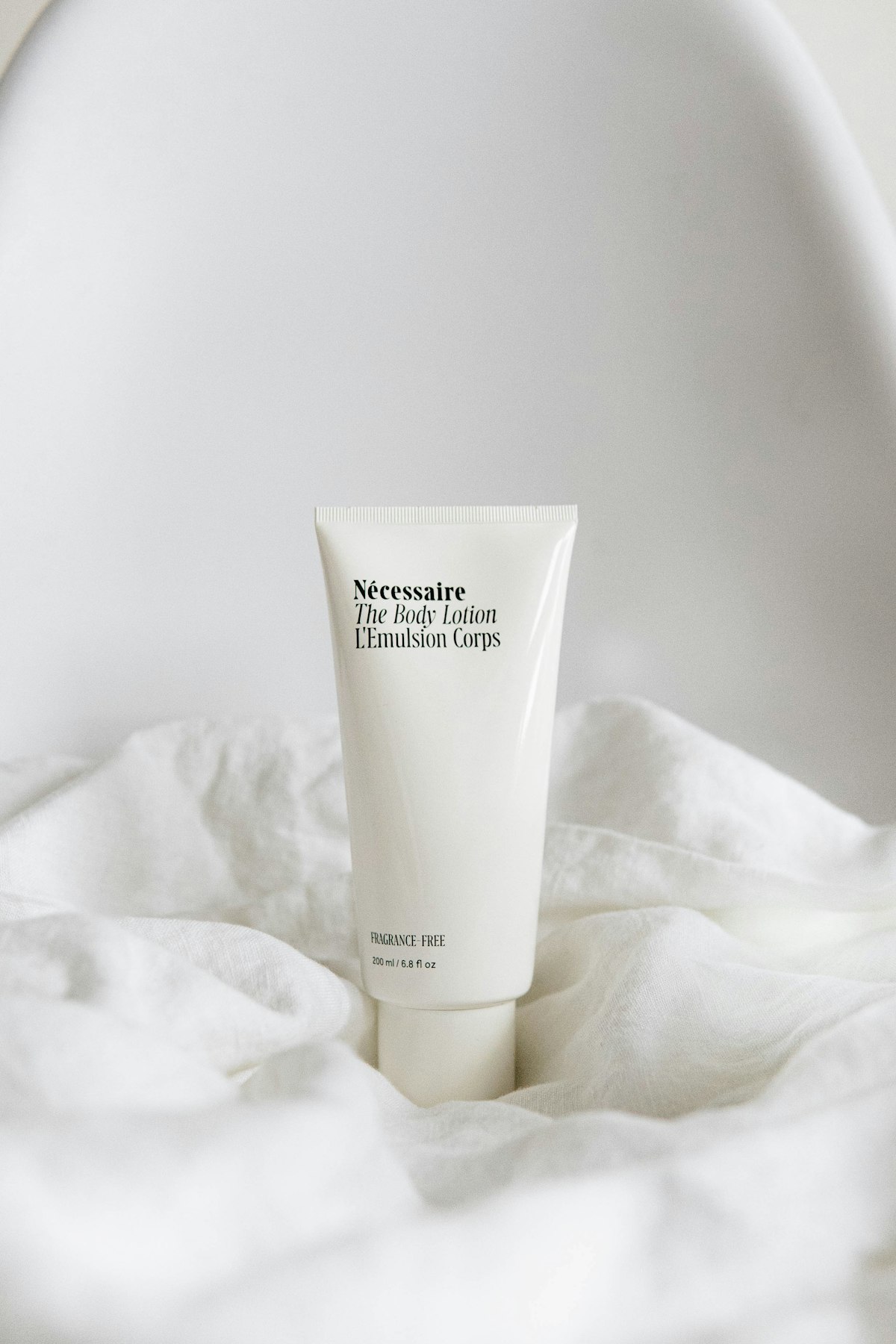
Photo: Unsplash / The considered cleansing ritual
How to Use One Correctly
- Apply cleanser to damp skin first. Do not use the brush on dry skin; it requires both water and cleanser to work safely.
- Use light pressure only. The brush does the work — you are just moving it across the face. Pressing hard increases abrasion and potential irritation.
- 60 seconds maximum. Divide the face into four quadrants and spend about 15 seconds on each. More is not better.
- Clean the brush head after every use. Rinse thoroughly, then allow to air dry. Replace brush heads every 2–3 months — bacteria accumulate on brush fibres over time.
- Maximum every other day for most skin types. Daily use is too frequent for most people; 3–4 times per week delivers results without the risk of barrier compromise.
Explore our selection of sonic cleansing devices — chosen for gentleness, efficacy, and the pleasure of a properly clean face.
Shop The Clear Skin Ritual ScrubberCleansing is not the most glamorous part of a skincare ritual. But it is arguably the most important — the step everything else depends on. An electric brush, used correctly, makes it more effective and, in an unexpected way, more enjoyable. The feeling of truly clean skin at the end of each day is its own small pleasure.