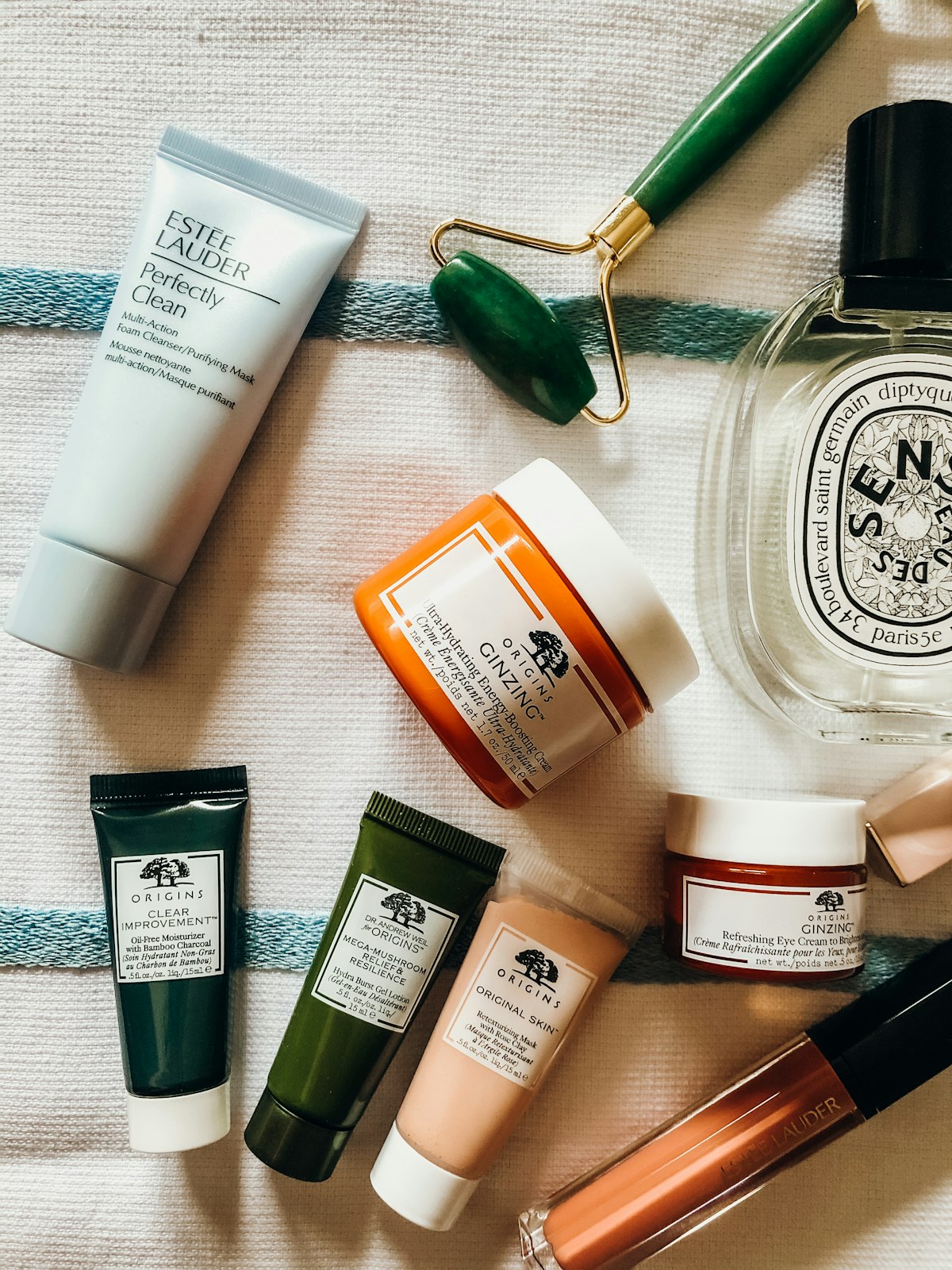
There is a certain quiet pleasure in the weight of a cool jade stone against your skin — the deliberate, intentional nature of the stroke, the unhurried attention it demands. Gua sha has been practiced in various forms across East Asia for centuries. Today, it has found a devoted following among those seeking a more thoughtful, effective approach to skincare.
Unlike many modern beauty tools, gua sha asks something of you. It rewards presence, patience, and correct technique. In return, it offers results — both visible and deeply felt — that no serum alone can replicate.
What Is Facial Gua Sha?
In traditional Chinese medicine, gua sha (刮痧 — literally "scraping away illness") is used on the body to release stagnation and promote the flow of qi. Performed more firmly on the body, it creates a characteristic redness that signals increased circulation. Facial gua sha is an adaptation of this practice: the same principle of using a smooth-edged tool to stroke and stimulate tissue, but applied with considerably lighter pressure and a focus on drainage, lifting, and toning rather than deep release.
The stones most commonly used are jade (cooling, associated in Chinese tradition with calming energy), rose quartz (slightly warmer, popular for its smooth surface), and bian stone (a dense mineral with infrared properties, often used in professional settings).
The Benefits: What Gua Sha Actually Does
The research on facial gua sha is growing, and what it reveals is consistent with what practitioners have observed for decades. The primary mechanisms are:
Lymphatic Drainage
The lymphatic system does not have its own pump — it relies on movement and manual stimulation. The directional strokes of gua sha help move lymphatic fluid toward the lymph nodes (located primarily at the jaw, neck, and behind the ears), which reduces puffiness, particularly in the morning. This is the benefit most people notice first, and most quickly.
Improved Circulation
The scraping motion increases blood flow to the treated areas, bringing oxygen and nutrients to the skin. Over time, this enhanced microcirculation contributes to improved skin tone, a natural flush, and a more luminous complexion. Chronically congested or dull skin responds particularly well to regular gua sha.
Fascial Release
The fascia — the connective tissue that surrounds and supports muscles — can become tight and restricted, contributing to the appearance of tension in the face. Gua sha, practiced correctly, helps release fascial adhesions, which can improve facial expression, reduce the appearance of "held" tension, and soften lines formed by chronic muscular contraction (such as frown lines).
Collagen Stimulation
The gentle mechanical stimulation of gua sha promotes fibroblast activity in the dermis, supporting the long-term production of collagen and elastin. This is a cumulative effect — one that builds over months of consistent practice.

Photo: Unsplash / The tools of a mindful facial ritual
The Strokes: A Practical Guide
The most important principle in facial gua sha is directionality. Always move upward and outward — you are lifting and draining, never pulling down. Use light pressure on the face; the stone should glide, not drag. Always apply a generous layer of facial oil or serum first.
| Area | Direction | Repetitions |
|---|---|---|
| Neck | Downward (toward collarbone) — this is the exception, to clear lymph toward the nodes | 5–8 each side |
| Jaw & chin | Along jawline, from chin toward ear | 5–8 each side |
| Cheeks | From nose outward toward ear; from mouth upward toward cheekbone | 5–8 each side |
| Under eyes | Gently from inner corner outward toward temple | 3–5 each side |
| Forehead | From brow upward toward hairline; from centre outward | 5–8 |
| Third eye / brow | Between brows, upward; along brow outward | 5–8 |
A complete facial gua sha sequence takes approximately five to eight minutes. For best results, practice three to five times per week — morning sessions capitalise on the lymphatic drainage benefit, while evening sessions are particularly good for releasing the tension accumulated through the day.
Common Mistakes to Avoid
- Using too much pressure. On the face, gua sha should feel pleasant — a gentle, firm glide. Pressing too hard can cause capillary damage or bruising on delicate skin.
- Skipping the oil. Without a slip layer, the stone drags rather than glides, which reduces efficacy and can irritate the skin.
- Moving in the wrong direction. Downward strokes can contribute to the very sagging you are trying to address. The only downward direction is on the neck, to drain toward the clavicle.
- Not cleaning your stone. Wash the stone after each use with warm water and a gentle cleanser. Stones can harbour bacteria if not properly maintained.
- Inconsistency. A single session feels wonderful; a daily practice transforms the skin. Consistency is everything.
Choosing Your Stone
The material of your gua sha stone affects the experience and, to some extent, the outcome. Jade is naturally cooling (useful for morning depuffing) and is the traditional choice. Rose quartz is slightly warmer, stays cool longer than jade, and is beautifully smooth — ideal for sensitive skin. Stainless steel tools are non-porous, easy to sanitise, and retain temperature well. Whatever you choose, prioritise quality: the edge should be smooth and uniform, with no roughness that could nick the skin.
Discover our curated selection of facial gua sha stones and tools — chosen for quality, efficacy, and the pleasure of daily use.
Shop The Warm Stone Gua ShaThe Practice Is the Gift
Gua sha is many things at once: a physical treatment, a moment of self-care, a meditative practice. When performed with intention — with good music, in good light, taking your time — it becomes something more than a beauty routine. It becomes a ritual.
The skin responds. And so does everything else.