Sleep is the foundation of almost everything else. Skin health, emotional regulation, immune function, cognitive performance, metabolic balance — all are profoundly affected by the quality and quantity of sleep. And yet, for an enormous number of people, sleep is the wellness dimension that receives the least intentional support.
The most powerful intervention available for better sleep is not a supplement or a device. It is a bedtime routine — a consistent, pre-sleep ritual that signals the nervous system, over and over, that it is safe to let the day go.
The Neuroscience of the Wind-Down
Sleep does not begin when you close your eyes. It begins about 90 minutes before — with the gradual rise of melatonin, the subtle drop in core body temperature, and the shift from sympathetic (alert, active) to parasympathetic (rest, restore) nervous system dominance. This transition is sensitive. It can be supported or disrupted, largely by what you do in the hour before bed.
Bright light — particularly blue-spectrum light from screens — suppresses melatonin and can delay sleep onset by 30 minutes to two hours. Stimulating content (news, social media, difficult conversations) keeps the amygdala active and cortisol elevated. Physical and mental activity too close to bedtime extends the time the body needs to downshift.
The Elements of an Effective Bedtime Ritual
The most effective bedtime rituals share several characteristics: they are consistent (happening at roughly the same time each evening), they involve a progressive reduction in stimulation, and they include at least one element that is genuinely pleasurable rather than merely functional.
Dim the lights, lower the screens
The most impactful single change you can make: shift all lighting in your home to warm, dim tones 90 minutes before bed. If you cannot avoid screens, use blue-light filtering settings at the highest filter level. This alone measurably improves melatonin onset in most people.
The evening skincare ritual
The skincare ritual at this stage becomes doubly valuable: it delivers the active ingredients that work during sleep, and it functions as a reliable wind-down cue. A double cleanse, treatment serum, gua sha or facial massage, and a rich night moisturiser takes 10–15 minutes and creates a sensory transition from day to evening that the nervous system learns to associate with approaching rest.
Something calming, non-screen
Reading a physical book. Light stretching. A brief meditation or breathing practice. Writing in a journal. The key is that this activity should require no decisions, produce no anxiety, and demand no urgency. It is filler in the best sense — pleasant, undemanding time that allows the mind to wander toward rest.
Sensory wind-down
This is the window for tools that directly prepare the body for sleep: a heated eye massager session (the darkness and warmth powerfully signals sleep readiness), a brief body massage or percussive device on the legs and shoulders, a specific scent (lavender is the most evidence-backed aromatherapy choice for sleep induction). These practices do not merely feel pleasant — they activate specific physiological processes that support sleep onset.
The final transition
A cool, dark room. Phone in another room or on aeroplane mode. A brief body scan — a mental inventory of physical sensations from feet to head, without judgement. This last practice takes under two minutes and is one of the most evidence-backed tools for reducing sleep onset time.
The Temperature Protocol
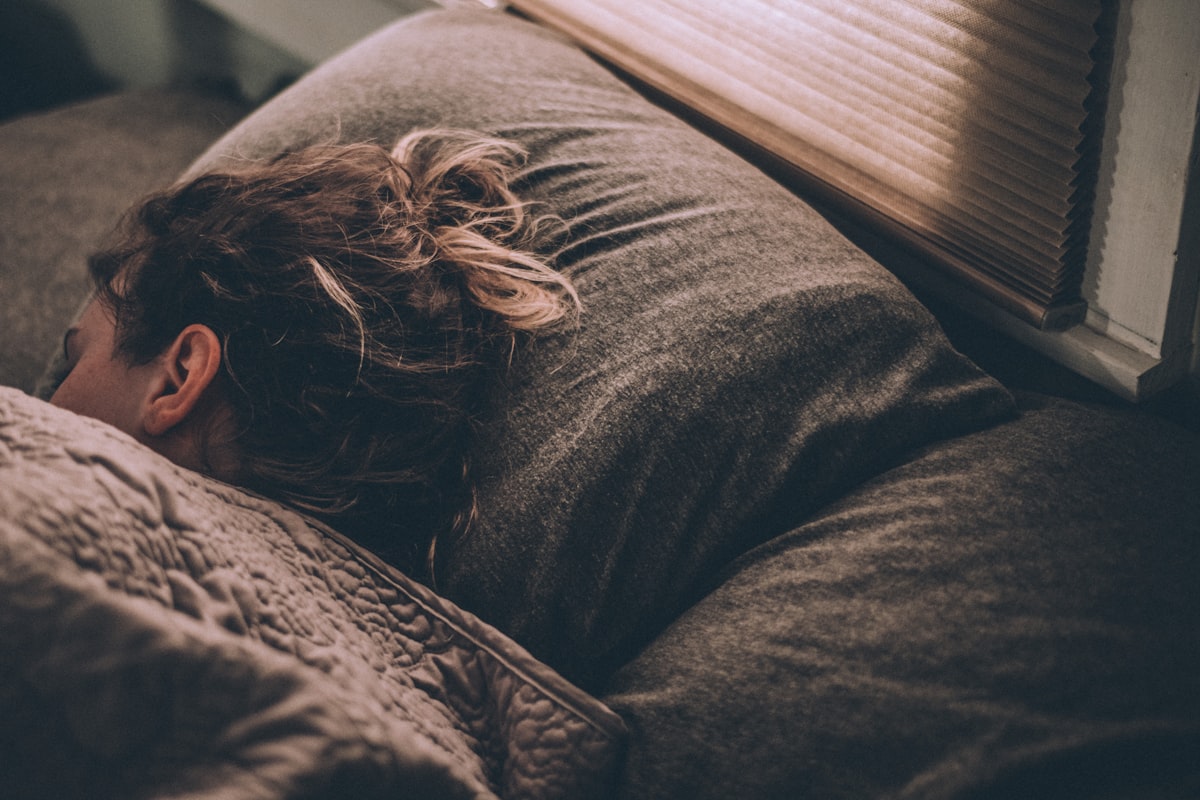
Core body temperature naturally drops by 1–2°C at sleep onset, and artificially facilitating this drop can meaningfully accelerate sleep. A warm bath or shower 1–2 hours before sleep raises skin temperature, which then cools rapidly as you emerge — the rapid cooling mimics the natural sleep-onset temperature drop and can reduce sleep onset time by as much as 10 minutes. This is one of the most reliably effective and underused sleep interventions available.
What to Avoid
- Caffeine after 2pm — caffeine has a half-life of 5–6 hours; an afternoon coffee is still measurably affecting your adenosine receptors at midnight
- Alcohol as a sleep aid — while alcohol induces drowsiness, it dramatically reduces REM sleep quality and causes middle-of-night waking as blood alcohol drops
- Working in bed — the bed should be associated exclusively with sleep (and intimacy); working or scrolling in bed trains the brain that the bed is a place of alertness
- Naps after 3pm — late afternoon sleep depletes sleep pressure (adenosine) and delays evening sleep onset
The final ritual before sleep: the Bright Eyes Ritual Pen uses gentle microcurrent and warmth to relieve eye tension and smooth the skin that shows fatigue first.
Shop The Bright Eyes Ritual Pen