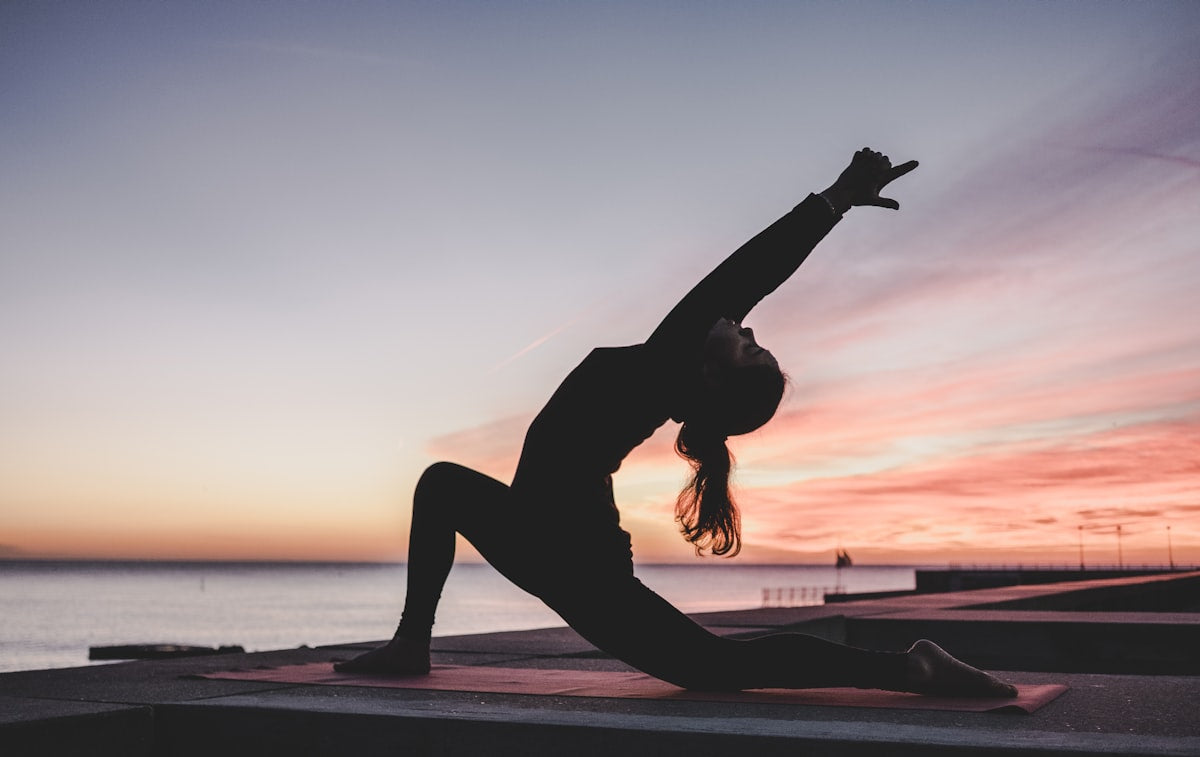
The percussion massage gun emerged from professional sports recovery and arrived in the mainstream with remarkable speed. Once a tool seen only in physiotherapy clinics and elite athletic training rooms, it now sits in gym bags, home offices, and bedside drawers — used not just by athletes but by anyone who carries tension in their body and wants a simple, effective way to release it.
The benefits of percussive therapy go considerably beyond the post-workout context in which the category was born. Understanding the full range of what these devices can do — and how to apply that range to a broader wellness practice — is where the real value lies.
How Percussive Therapy Works
A percussion massage gun delivers rapid, repetitive pulses of pressure deep into muscle tissue — typically at speeds between 1,200 and 3,200 percussions per minute, at amplitudes of 10–16mm. This combination of speed and depth is what distinguishes percussive therapy from conventional vibration massage and makes it effective at reaching deeper tissue layers.
The mechanical effect operates on several levels. At the muscle fibre level, the rapid percussion interrupts the feedback loop between contracted muscle and the nervous system — essentially resetting muscle tone and releasing chronic tension. At the connective tissue level, it loosens fascial adhesions and improves local circulation. At the sensory level, it floods the nervous system with tactile input that temporarily overwhelms pain signals — a phenomenon known as gate control theory.
The Benefits Beyond the Gym
Stress and Tension Release
The body accumulates psychological stress in the muscles — the chronically elevated shoulders, the jaw that clenches during difficult meetings, the lower back that tightens with long hours at a desk. A percussion massage gun, applied to these areas at the end of the day, provides a level of muscle release that significantly reduces the felt experience of stress. This is not metaphorical: muscle release physically reduces cortisol and activates the parasympathetic nervous system.
Improved Sleep
Multiple studies have found that deep tissue massage improves sleep quality — increasing slow-wave (deep) sleep and reducing the time it takes to fall asleep. A percussion massage gun session as part of an evening wind-down ritual, applied to the neck, shoulders, and legs, primes the body for better quality rest.
Headache and Neck Tension Relief
Tension headaches are frequently driven by muscular tightness in the neck, upper trapezius, and suboccipital muscles. Light percussion applied carefully to the neck and shoulders can provide meaningful relief. Use the lowest speed setting and avoid direct contact with the cervical spine itself.
Improved Circulation and Lymphatic Movement
The rapid mechanical stimulation of percussive therapy significantly increases local blood flow and assists lymphatic drainage. Used on the legs after long periods of sitting or standing, it can reduce swelling and the heavy sensation associated with poor circulation.
Fascial Release
Fascia — the connective tissue that encases muscles and organs — can become restricted and adhesive over time, contributing to restricted mobility, postural problems, and the sensation of tightness that stretching alone cannot resolve. Percussion therapy is one of the most effective non-clinical tools available for fascial release.

Photo: Unsplash / Creating space for recovery as ritual
Building a Percussion Massage Ritual
The most effective way to use a percussion massage gun is not as an emergency measure — applied frantically to already painful muscles — but as a consistent part of your daily wellness practice.
Morning Activation (3–5 minutes)
A brief percussion session in the morning helps activate muscles, improve circulation, and release overnight stiffness. Focus on areas that feel tight or heavy — typically shoulders, glutes, and calves. Use a moderate speed setting. This is not about deep release; it is about waking the body up.
Post-Exercise Recovery (5–10 minutes)
This is the application most people know. After exercise, percussion reduces the DOMS (delayed onset muscle soreness) that peaks 24–48 hours later. Apply to the worked muscles immediately after training and again the following day. Research suggests post-exercise percussion can reduce DOMS severity by up to 30%.
Evening Wind-Down (5–10 minutes)
Perhaps the most underused application. An evening percussion session focused on the areas that carry the day's physical tension — neck, shoulders, lower back, legs — is a powerful signal to the nervous system that the day is ending. It reduces cortisol, releases physical tension accumulated through hours at a desk, and supports the transition into rest.
Safety: What to Avoid
- Never apply directly over the spine, bones, or joints
- Avoid inflamed, bruised, or injured tissue
- Do not use over varicose veins or areas of poor circulation without medical advice
- Begin with the lowest speed setting and increase gradually
- Limit time on any single area to 30–60 seconds
Our percussion massage tools are selected for both performance and considered design — effective enough for athletes, refined enough for the home.
Shop The Deep Relief Massage Gun