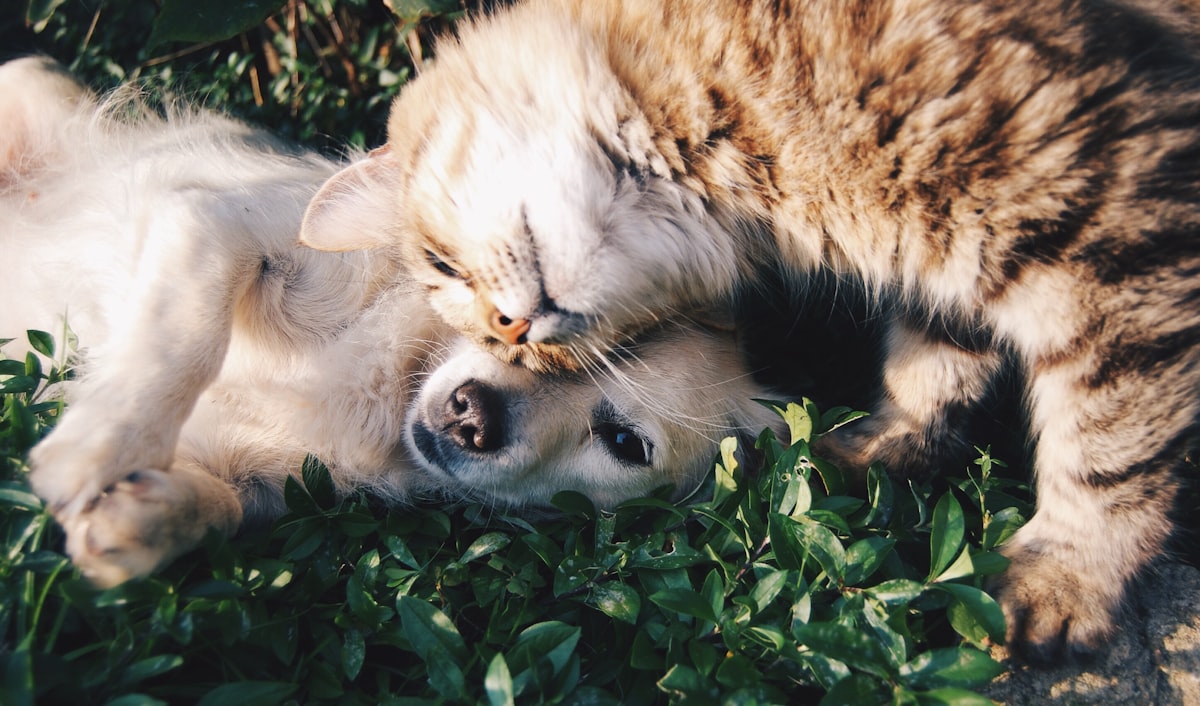
There is a particular kind of presence that animals require of us. When you sit down to brush your dog, or when you settle your cat onto your lap for their evening grooming session, the task does not permit distraction. Animals sense divided attention immediately. They will nudge your hand, reposition themselves, or simply leave. The animal care ritual demands that you arrive fully.
This is, among the many gifts that pets give their owners, one of the least discussed and most valuable: a recurring, non-negotiable invitation to be present.
The Wellbeing Science of Pet Interaction
Research into the human-animal bond is extensive and consistent. Stroking a pet for as little as ten minutes measurably reduces cortisol levels and increases oxytocin — the same hormone released by human touch and bonding. Pet ownership is associated with lower blood pressure, reduced cardiovascular risk, improved mood in clinical depression, and significantly lower perceived loneliness.
These effects are not passive — they are not simply a consequence of having a pet in the house. They are tied specifically to direct interaction: the grooming, the walking, the feeding, the sitting together. The daily acts of care are the mechanism through which the relationship produces its benefits.
The Act of Grooming as Shared Ritual
Grooming is among the oldest and most universal forms of social bonding in the animal kingdom. In primates, mutual grooming serves both a hygienic function and a social one — it is the primary mechanism through which bonds are formed, maintained, and repaired. When we groom our pets, we are participating in a practice that is biologically wired to produce feelings of closeness, calm, and connection.
For the pet, regular grooming is more than cosmetic. It distributes natural oils throughout the coat, prevents matting and skin conditions, stimulates circulation, and allows for the early detection of lumps, parasites, or changes in the skin. A groomed pet is a healthier pet — and a pet accustomed to grooming from an early age is a calmer, more manageable one.
For the owner, the grooming ritual is an opportunity for focused, embodied attention — for actually touching something, noticing things, being with another creature without the mediation of a screen.

Creating a Pet Care Ritual That Benefits Both of You
The Morning Check-In
Before the day's demands arrive, a few minutes of deliberate attention to your pet — a slow stroke, an observation of how they are moving and behaving, a moment of genuine connection — anchors both of you in the present. Pets are extraordinarily sensitive to our emotional states; your calm, undivided attention communicates safety and consistency to them.
The Grooming Session
Establish a regular grooming practice — daily brushing for long-coated breeds, two to three times per week for shorter coats. Create the conditions for it to feel like a ritual rather than a chore: do it in the same place, at roughly the same time, with good tools that make the process pleasant for both of you. Many pets come to actively seek these sessions, which is among the most rewarding signs that the ritual has been established.
The Walk as Moving Meditation
The morning or evening walk is, for dog owners, one of the most reliable rituals in the day. Its value is magnified enormously when treated as an intentional practice rather than an obligation. Leave your phone at home, or in your pocket. Notice where your dog wants to go, what they are smelling, what is catching their attention. Follow their curiosity with patience. This quality of attention — given to another creature, in a specific place, at a consistent time — is a particularly rich form of mindfulness.
The Evening Decompression
Many pet owners report that the end-of-day time spent with their animals — a dog resting by your feet, a cat settling onto your lap — is among the most effective decompression practices they have. The warmth, the physical weight, the unhurried presence of the animal creates a quality of stillness that is difficult to manufacture by other means.
Quality Tools, Quality Care
The quality of your pet care tools shapes the quality of the ritual. A brush that glides smoothly through a coat, removing shed hair without pulling, makes grooming a genuinely pleasant experience for the animal. A quality massager applied gently to a dog's neck and shoulders — areas that accumulate tension just as they do in humans — creates a level of relaxation that transforms the relationship between the ritual and the animal's trust.
Choosing good tools is not indulgence. It is the same logic that applies to any ritual: the quality of the objects you use communicates the value of the practice.
Designed for the ritual of care: the Gentle Steam Pet Brush makes grooming an act of connection — gentle enough for daily use, effective enough to see the difference.
Shop The Gentle Steam Pet BrushThe Reciprocity of Care
What makes pet care unusual among rituals is its reciprocity. The daily acts of feeding, grooming, walking, and paying attention are not unilateral — they are answered, in the particular and consistent language of the animal, by trust, presence, and affection. The ritual builds a relationship that compounds over years, deepening with each return.
Happiness is a ritual. And sometimes that ritual runs on four legs and waits by the door.